당신은 무엇을 찾고 계십니까?
Entering a new product category can create significant growth opportunities, but it also requires careful planning.
For pet product distributors, the challenge is often not finding a product.
It is understanding whether the product can generate sustainable demand in the local market.
Start with Market Validation
Before making a large investment, distributors can evaluate several important factors:
Consumer interest
Competitor positioning
Expected retail price
Sales channel suitability
Product differentiation
These factors can help businesses understand whether a new product fits their existing market.
A small-scale product launch can provide useful information before a distributor commits to a larger inventory investment.
For example, an online seller may begin with a limited quantity and use product demonstrations, social media content and customer feedback to evaluate demand.
This approach allows the distributor to identify potential problems and adjust the marketing strategy before expanding.
Supplier selection is another important part of market-entry planning.
A suitable supplier should provide more than competitive pricing.
Product quality, communication, technical support, production capability and long-term cooperation are also important considerations.
For emerging products, the ability to discuss market feedback and product improvements can be particularly valuable.
A product with a clear difference may be easier to position than another conventional product with similar features.
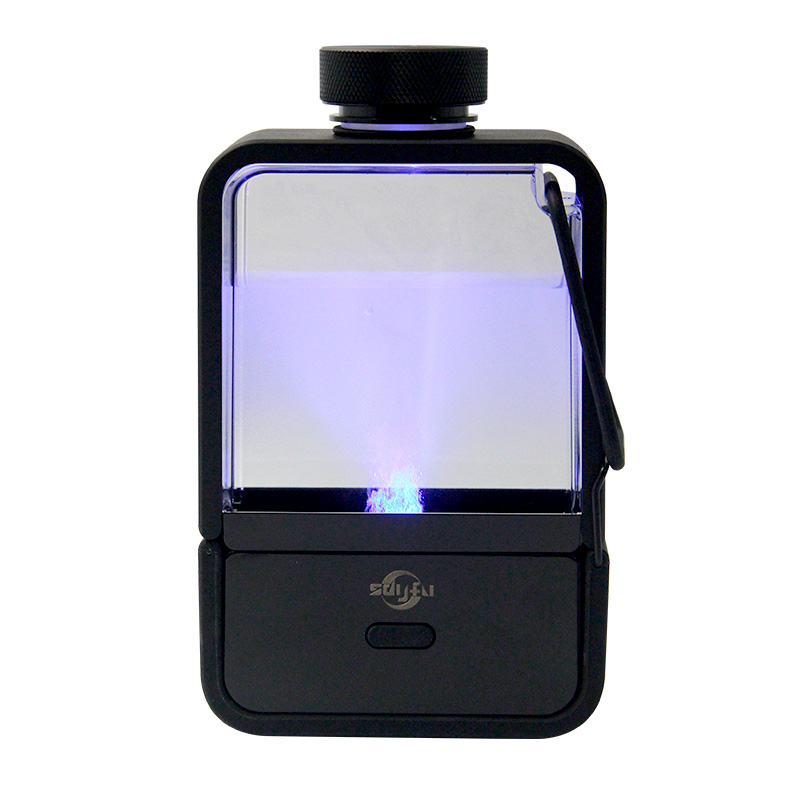
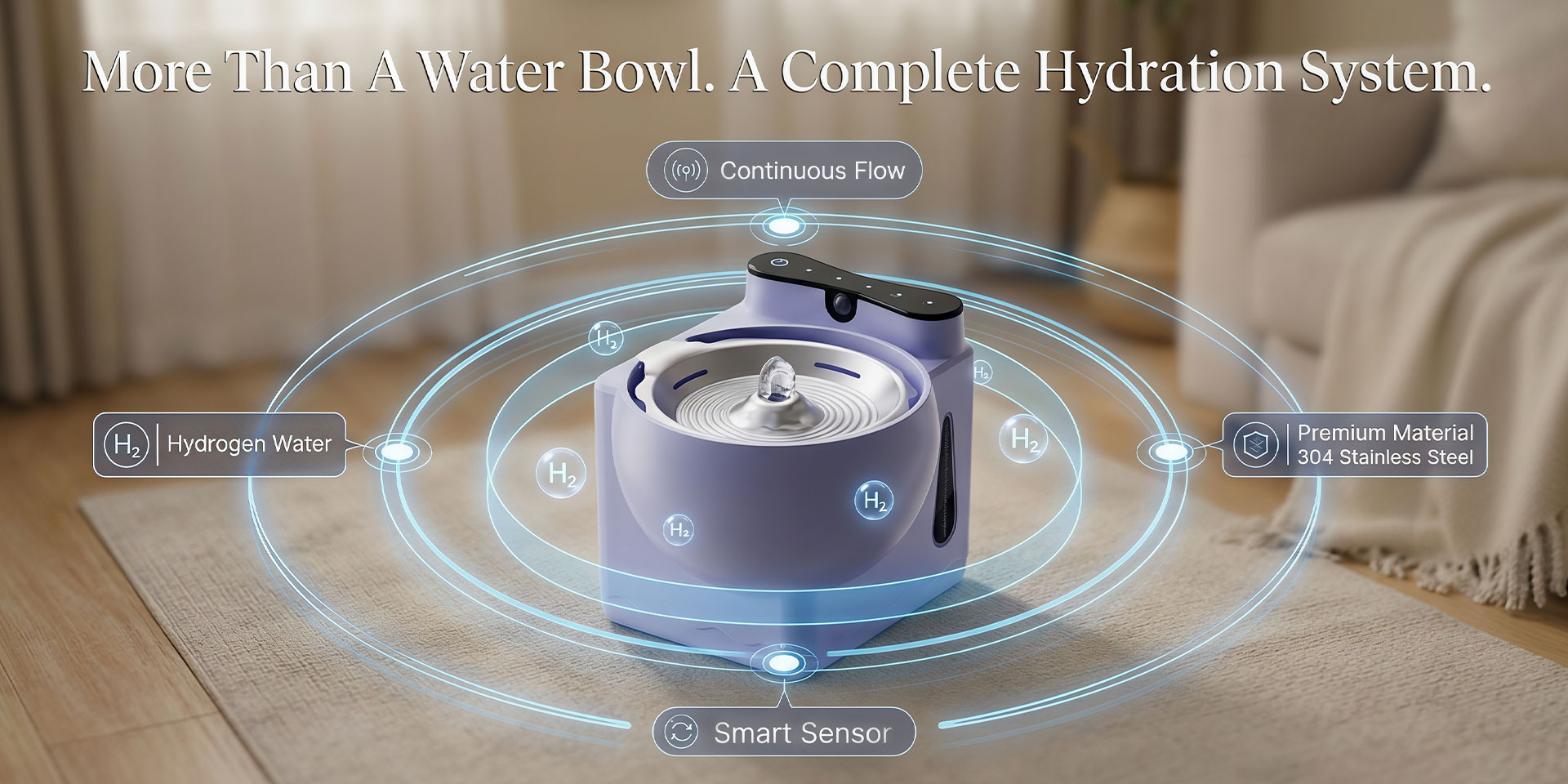
Hydrogen-rich pet hydration is one example of an emerging product concept that combines everyday pet care with a new technology direction.
For distributors, the opportunity is to evaluate whether this concept fits their target customers and sales channels.
A carefully planned market-entry strategy can help businesses explore new categories while managing investment risk.




Whatsapp : +8613825114541
이메일 : admin@yanranyl.com
Official Retail Store:
www.sdyfushop.com